The Ultimate Guide to Digital Marketing in 2026: 12 Proven Strategies to Grow Your Business Online

Educationist, School Growth Consultant & Digital Marketing Strategist
Introduction
In today's digital-first world, simply having a business is no longer enough. Your customers are searching online, comparing brands, reading reviews, watching videos, and making buying decisions long before they contact you. Whether you run a startup, a local business, a professional service, or an established company, your online presence has become one of your greatest assets.
Digital marketing is no longer just about posting on social media or running advertisements. It's about creating a seamless customer journey that begins with visibility, builds trust, nurtures relationships, and ultimately converts visitors into loyal customers. Businesses that invest in a well-planned digital marketing strategy consistently outperform those relying only on traditional marketing methods.
From building a professional website to optimising for search engines, creating valuable content, running targeted advertising campaigns, and analysing performance, every strategy plays a crucial role in sustainable business growth. In this guide, we'll explore twelve proven digital marketing strategies that can help you increase brand awareness, generate quality leads, improve customer engagement, and grow your business in 2026 and beyond.
Key Takeaways
- Build a fast, secure and mobile-friendly website that converts visitors into customers.
- Improve your search engine rankings with effective SEO strategies.
- Optimise your Google Business Profile for stronger local visibility.
- Create valuable content that educates, informs and builds trust.
- Use Google Ads to generate qualified leads quickly.
- Grow your audience through targeted Meta advertising.
- Build brand awareness with consistent social media marketing.
- Strengthen customer relationships using WhatsApp marketing.
- Build credibility through reviews and testimonials.
- Measure, analyse and continuously optimise your marketing strategy.
1. Build a Professional Website
Your website is the foundation of your digital marketing strategy. Every marketing campaign, advertisement, social media post and email eventually directs visitors to your website. If the website fails to provide a positive experience, potential customers may leave before taking any action.
A modern website should load quickly, be fully responsive across desktops, tablets and smartphones, and offer intuitive navigation. Visitors should be able to understand your services within a few seconds and easily locate the information they need. Clear headings, compelling calls to action, high-quality visuals and well-structured content help guide users towards making an enquiry or purchase.
Security is equally important. An SSL certificate, secure forms and reliable hosting improve both user confidence and search engine rankings. Your website should also be optimised for accessibility, ensuring that users of different abilities can navigate and interact with your content effectively.
Every page should have a clear objective. Whether it is generating enquiries, encouraging bookings, collecting leads or showcasing services, each page should support your overall business goals. Regular updates, fresh content and technical maintenance ensure your website continues to perform effectively over time.
A professionally designed website not only strengthens your brand image but also increases conversions by creating a smooth user experience from the first visit to the final enquiry.
2. Optimise Your Website for Search Engines
Search Engine Optimisation (SEO) helps your website appear when potential customers search for products or services related to your business. Unlike paid advertising, SEO generates sustainable organic traffic over time, making it one of the most valuable long-term digital marketing investments.
Effective SEO begins with keyword research. Understanding what your audience is searching for enables you to create content that answers their questions and solves their problems. Incorporating these keywords naturally into page titles, headings, URLs, meta descriptions and content helps search engines understand your pages.
Technical SEO is equally important. Fast-loading pages, mobile responsiveness, clean website architecture, structured data, XML sitemaps and secure HTTPS connections improve search engine crawling and indexing. Fixing broken links, duplicate content and slow-loading pages enhances overall website performance.
Content plays a central role in SEO success. Publishing informative blog articles, service pages, guides and FAQs demonstrates expertise while attracting visitors at different stages of the customer journey. Internal linking between related pages helps users discover additional information while improving site structure.
Off-page SEO further strengthens authority through backlinks from reputable websites, local citations and online mentions. Businesses that consistently invest in both technical optimisation and valuable content often achieve higher search rankings, increased website traffic and stronger brand credibility.
SEO is not a one-time activity. Search engine algorithms evolve constantly, making continuous monitoring, optimisation and content updates essential for maintaining strong rankings and long-term visibility.
3. Optimise Your Google Business Profile
For businesses serving local customers, Google Business Profile is one of the most valuable digital marketing tools available. It enables businesses to appear in Google Search and Google Maps when customers look for nearby products or services.
A complete and accurate profile should include your business name, address, phone number, website, operating hours, service areas, categories and high-quality images. Keeping this information consistent across all online platforms improves credibility and local search performance.
Customer reviews significantly influence purchasing decisions. Encouraging satisfied customers to leave genuine reviews builds trust while improving local search rankings. Responding professionally to both positive and negative reviews demonstrates excellent customer service and strengthens your online reputation.
Businesses should also use Google Posts to share updates, offers, events and announcements. Regular activity signals that your business is active and engaged, encouraging more interactions from potential customers.
Monitoring insights provided by Google Business Profile helps you understand how customers discover your business, which search terms they use, how many calls or direction requests you receive and which photos attract the most attention. These insights enable continuous optimisation of your local marketing strategy.
An optimised Google Business Profile increases visibility, improves credibility and generates more enquiries from customers actively searching for your services.
4. Create High-Quality Content That Solves Problems
Content marketing is one of the most effective ways to attract, educate and convert potential customers. Instead of focusing solely on selling, valuable content builds trust by answering questions, solving problems and demonstrating expertise.
Businesses should create content in multiple formats, including blog articles, videos, infographics, case studies, guides, checklists and frequently asked questions. Different audiences consume information differently, making content diversification an important strategy.
Every piece of content should have a clear purpose. Educational articles help customers understand complex topics, while comparison guides assist purchasing decisions. Success stories, testimonials and case studies demonstrate real-world results and strengthen credibility.
Consistency is essential. Publishing quality content regularly keeps your website fresh, supports SEO, encourages repeat visitors and positions your business as a trusted authority within your industry. Content should also be updated periodically to ensure information remains accurate and relevant.
Rather than producing content solely for search engines, businesses should focus on creating genuinely useful resources that provide value to readers. High-quality content naturally earns backlinks, social shares and increased engagement, strengthening both search visibility and brand reputation.
Content marketing is a long-term investment that continues generating traffic, leads and business opportunities long after publication.
5. Run Google Ads for Immediate Results
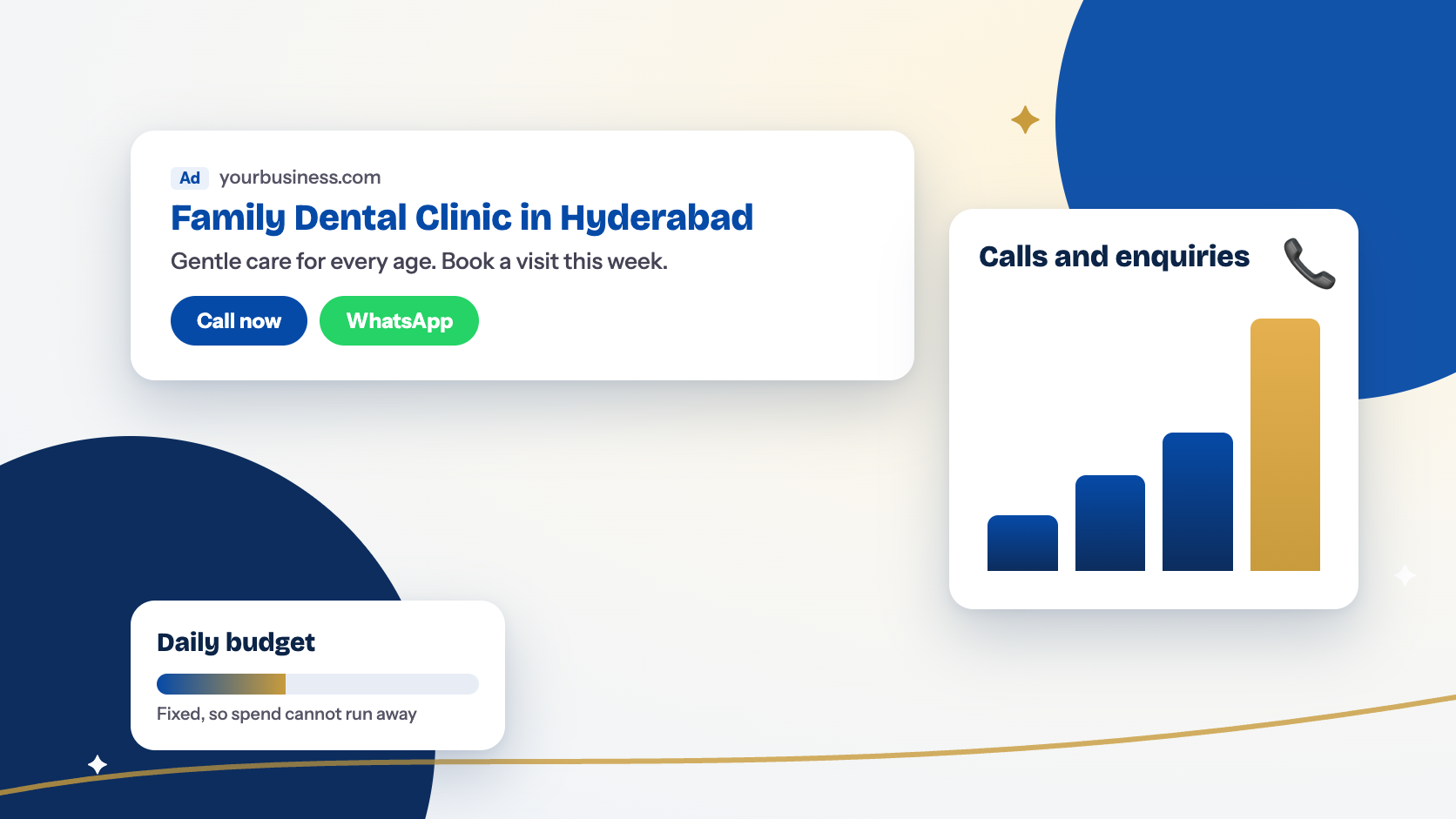
While SEO delivers long-term growth, Google Ads provides immediate visibility by placing your business in front of customers actively searching for your products or services. A well-managed Google Ads campaign allows businesses to generate qualified leads quickly while maintaining control over budgets and targeting.
Successful campaigns begin with thorough keyword research. Businesses should focus on high-intent keywords that indicate customers are ready to make a purchase or enquiry. Creating tightly themed ad groups with relevant keywords improves Quality Score, reduces cost per click and increases overall campaign performance.
Compelling ad copy plays a crucial role in attracting clicks. Headlines should clearly communicate your unique value proposition, while descriptions should highlight benefits, trust factors and strong calls to action. Ad extensions such as call buttons, sitelinks, location details and structured snippets improve visibility and increase click-through rates.
Dedicated landing pages significantly improve conversion rates. Instead of directing visitors to the homepage, each advertisement should lead users to a relevant page designed specifically for that campaign. A focused landing page with clear messaging, trust indicators and a simple enquiry form encourages visitors to take action.
Continuous monitoring is essential. Regularly reviewing search terms, adjusting bids, testing ad variations and refining audience targeting ensures campaigns remain cost-effective while delivering consistent results. Businesses that optimise their campaigns frequently achieve higher returns on investment and generate better-quality leads.
6. Reach More Customers with Meta Advertising
Meta advertising, including Facebook and Instagram Ads, enables businesses to reach highly targeted audiences based on demographics, interests, behaviours and online activity. Unlike search advertising, Meta Ads create demand by introducing your brand to potential customers before they actively search for your services.
Visual storytelling is one of Meta's greatest strengths. High-quality images, engaging videos, carousel ads and reels capture attention quickly and encourage users to interact with your brand. Creative content that focuses on solving customer problems often performs better than direct promotional messages.
Audience targeting should extend beyond basic demographics. Businesses can create Custom Audiences from existing customers, website visitors and email subscribers, while Lookalike Audiences help identify new users with similar characteristics to existing customers.
Campaign objectives should align with business goals. Whether the objective is brand awareness, lead generation, website traffic or sales, choosing the appropriate campaign type helps Meta optimise delivery for better results.
Performance should be reviewed regularly through metrics such as reach, engagement, click-through rate, cost per lead and conversion rate. Testing multiple creatives, headlines and audience segments enables continuous improvement and maximises advertising efficiency.
When combined with strong landing pages and consistent follow-up, Meta advertising becomes an effective channel for expanding brand awareness, generating enquiries and increasing sales.
7. Build Your Brand Through Social Media Marketing
Social media has become one of the most effective platforms for building relationships with customers and strengthening brand awareness. It allows businesses to communicate directly with their audience, showcase expertise and create meaningful engagement.
Rather than posting randomly, businesses should develop a structured content strategy that includes educational posts, customer success stories, behind-the-scenes updates, industry insights, tips, videos and interactive content. A balanced mix of informative and promotional content keeps audiences engaged while maintaining credibility.
Consistency is more important than frequency. Maintaining a regular posting schedule helps audiences recognise your brand and encourages long-term engagement. Each platform should be used strategically based on where your target audience spends the most time.
Engagement is equally important. Responding to comments, answering messages promptly and participating in conversations helps build trust and strengthens customer relationships. Social media should be viewed as a two-way communication channel rather than simply a broadcasting platform.
Analytics provide valuable insights into audience behaviour. Monitoring reach, engagement, follower growth, profile visits and website clicks helps identify which content performs best, allowing businesses to refine their strategy over time.
An effective social media presence enhances brand recognition, builds community trust and supports every other aspect of digital marketing.
8. Strengthen Customer Relationships with WhatsApp Marketing
WhatsApp has become one of the most effective communication channels for businesses due to its speed, convenience and high message open rates. Customers increasingly prefer messaging businesses directly rather than making phone calls or waiting for email responses.
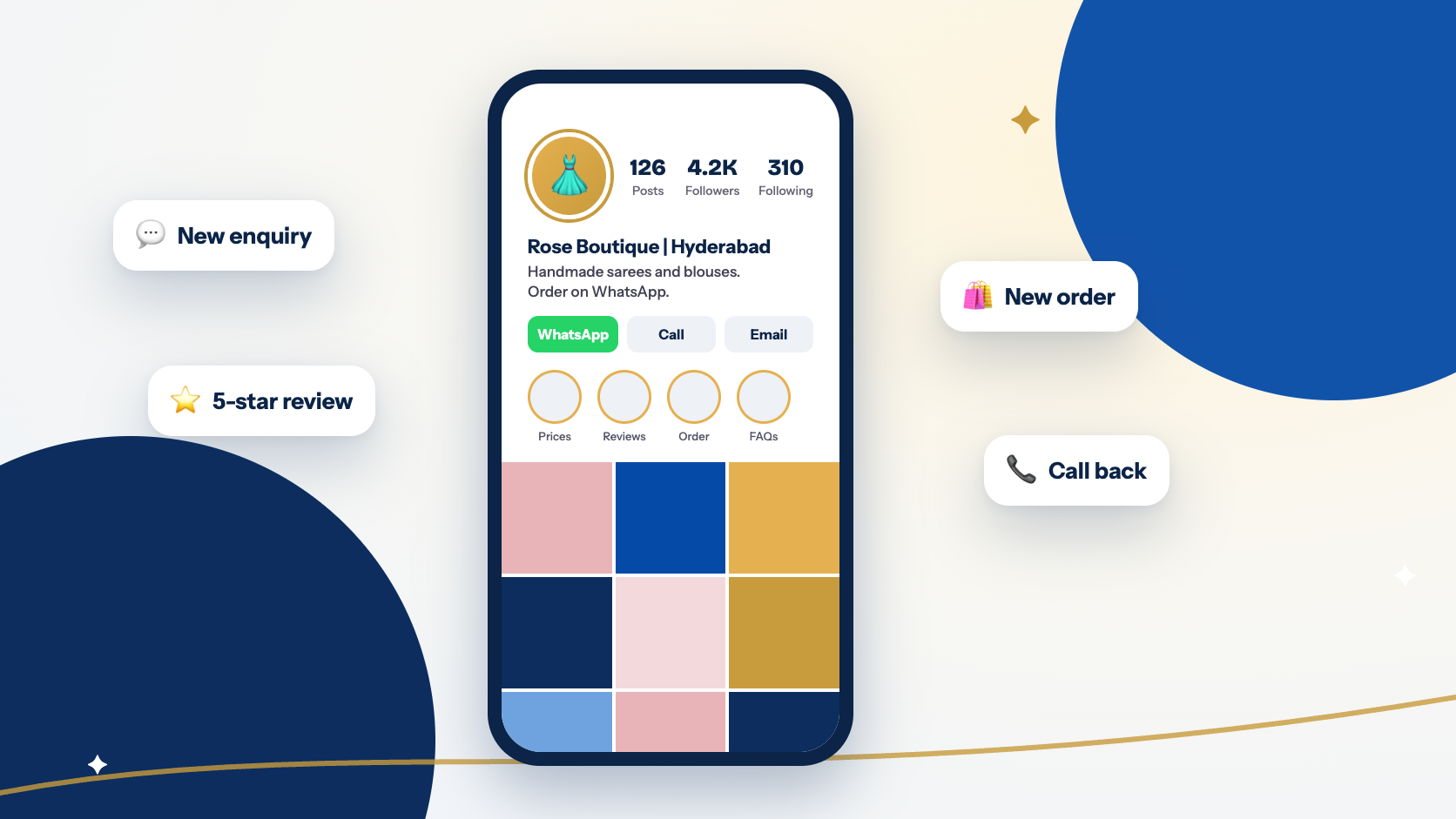
Businesses can use WhatsApp to answer enquiries, provide customer support, send appointment reminders, share product catalogues, confirm bookings and communicate important updates. Quick and personalised responses improve customer satisfaction while building stronger relationships.
Automation enhances efficiency. Greeting messages, away messages and frequently asked questions help businesses respond consistently even outside working hours. Integrating WhatsApp with enquiry forms and customer relationship management systems streamlines communication and reduces manual effort.
Broadcast lists enable businesses to share updates, promotions and announcements with customers while maintaining personalised communication. Messages should always provide value rather than overwhelming recipients with excessive promotions.
WhatsApp also supports multimedia communication through images, videos, documents and voice messages, allowing businesses to deliver richer customer experiences. Combined with excellent customer service, WhatsApp becomes a valuable tool for nurturing leads and encouraging repeat business.
9. Build Trust Through Reviews and Testimonials
Trust plays a significant role in customer decision-making. Before choosing a business, many customers read reviews, testimonials and success stories to evaluate credibility and reliability. Positive customer experiences shared publicly can significantly influence purchasing decisions.
Businesses should actively encourage satisfied customers to leave genuine reviews on platforms such as Google Business Profile and other relevant review websites. A steady stream of authentic reviews strengthens online reputation while improving local search visibility.
Testimonials become even more powerful when they describe specific outcomes. Rather than generic praise, detailed customer stories explaining how your product or service solved a problem provide stronger social proof and increase confidence among prospective customers.
Displaying testimonials strategically throughout your website enhances credibility. Service pages, landing pages and enquiry forms benefit from relevant customer feedback positioned near calls to action.
Responding professionally to every review demonstrates commitment to customer satisfaction. Thanking customers for positive feedback and addressing concerns respectfully in negative reviews shows transparency and builds confidence in your business.
A strong reputation supported by authentic reviews and testimonials increases trust, improves conversions and encourages long-term customer loyalty.
10. Use Email Marketing to Nurture Leads
Email marketing remains one of the highest-return digital marketing channels because it allows businesses to communicate directly with interested prospects and existing customers. Unlike social media, where algorithms control visibility, email gives businesses a reliable way to deliver personalised messages to their audience.
A successful email strategy begins by building a permission-based subscriber list. Offer valuable resources such as guides, checklists, newsletters or exclusive offers in exchange for email subscriptions. Always focus on quality rather than quantity.
Segmenting your audience improves engagement. Different subscribers have different interests and needs, so sending personalised content based on their preferences, purchase history or stage in the customer journey increases open rates and conversions.
Automation makes email marketing more efficient. Welcome emails, follow-up sequences, abandoned enquiry reminders, promotional campaigns and monthly newsletters keep your audience engaged without requiring constant manual effort.
Every email should provide value through educational content, helpful resources, industry updates or relevant offers. Avoid sending excessive promotional emails, as this can reduce engagement and increase unsubscribe rates.
Tracking open rates, click-through rates and conversions helps identify which campaigns perform best. Continuous testing and optimisation ensure your email marketing remains effective and contributes to long-term business growth.
11. Measure Performance with Analytics and Data
One of the greatest advantages of digital marketing is the ability to measure performance accurately. Analytics provide valuable insights into customer behaviour, campaign effectiveness and overall business performance, allowing data-driven decision-making instead of relying on assumptions.
Businesses should regularly monitor website traffic, user behaviour, lead sources, conversion rates, bounce rates and engagement metrics using analytics platforms. Understanding how visitors interact with your website helps identify strengths as well as opportunities for improvement.
Marketing campaigns should also be evaluated using key performance indicators (KPIs) such as cost per lead, return on advertising spend (ROAS), click-through rate (CTR), conversion rate and customer acquisition cost. These metrics help determine whether campaigns are achieving their objectives.
Creating dashboards simplifies reporting and enables business owners to monitor performance at a glance. Regular monthly reviews ensure marketing budgets are allocated to the channels delivering the best results.
Analytics should not only measure success but also identify areas requiring optimisation. Continuous testing of headlines, landing pages, calls to action, advertisements and website layouts enables businesses to improve performance over time.
A data-driven approach leads to smarter decisions, better marketing efficiency and higher returns on investment.
12. Continuously Improve Your Digital Marketing Strategy
Digital marketing is constantly evolving. Search engine algorithms change, customer behaviour shifts, new platforms emerge and competitors introduce new strategies. Businesses that continuously learn and adapt maintain a competitive advantage.
Regular audits of your website, SEO performance, advertising campaigns, content strategy and social media activities help identify opportunities for improvement. Outdated content should be refreshed, underperforming campaigns should be optimised and successful strategies should be expanded.
Testing should become part of every marketing activity. Experimenting with headlines, visuals, landing pages, audience targeting and content formats provides valuable insights into what resonates most with your audience.
Competitor analysis also plays an important role. Studying successful businesses within your industry helps identify emerging trends, customer expectations and opportunities to differentiate your brand.
Training and staying informed about digital marketing developments ensure your business remains prepared for future changes. Investing in continuous improvement allows businesses to achieve sustainable growth rather than relying on short-term marketing success.
Businesses that consistently analyse, optimise and innovate are better positioned to attract customers, strengthen their brand and achieve long-term success.
Conclusion
Digital marketing is no longer just about maintaining an online presence—it is about creating meaningful customer experiences that generate trust, build relationships and drive sustainable business growth. Every element, from your website and SEO to Google Ads, social media, email marketing and analytics, plays an important role in achieving measurable results.
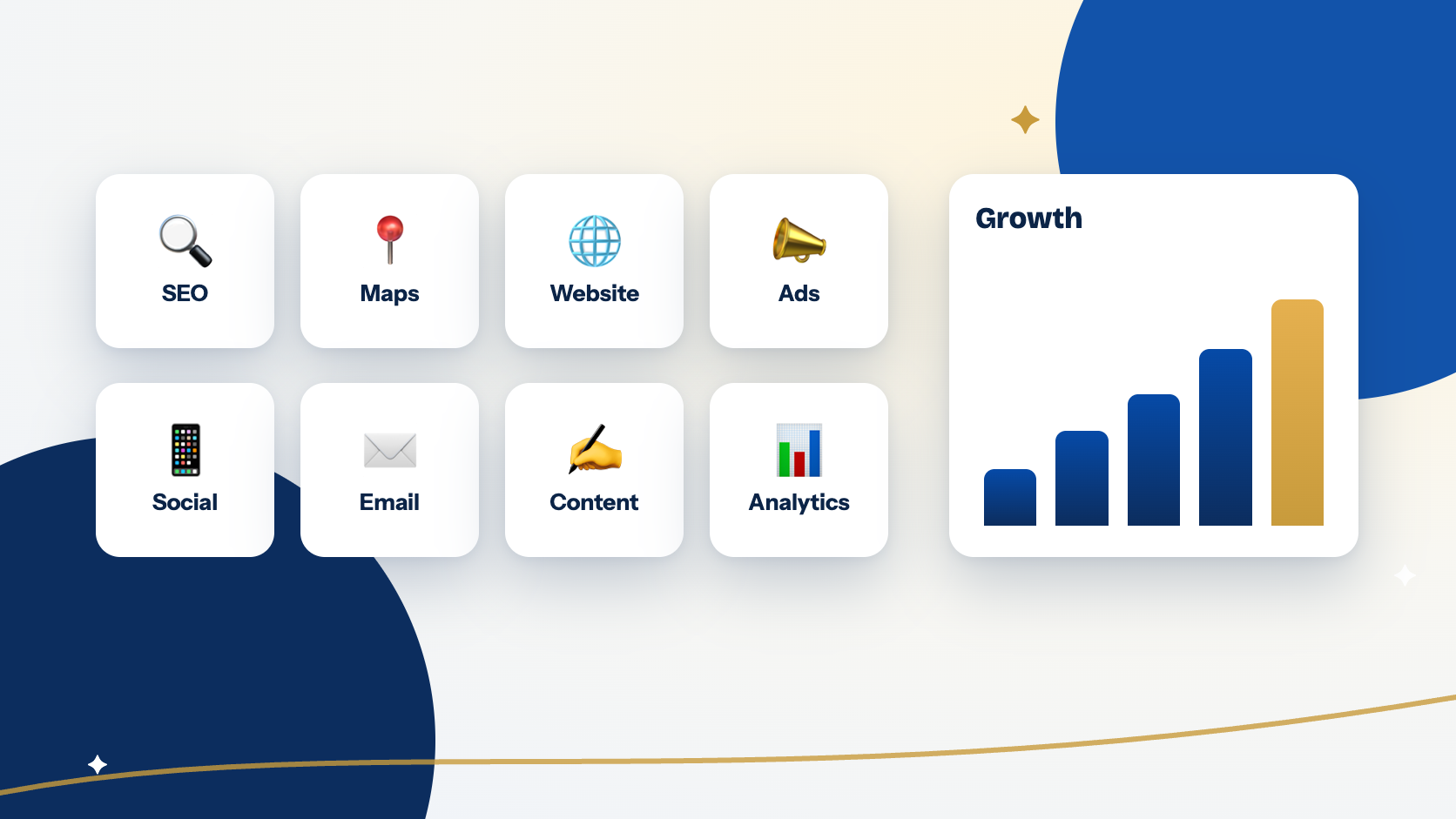
Rather than relying on a single marketing channel, businesses should develop an integrated strategy where every platform supports the others. A strong website converts visitors, SEO attracts organic traffic, paid advertising generates immediate leads, content establishes authority, social media builds engagement and analytics guide continuous improvement.
Success in digital marketing does not happen overnight. It requires consistency, ongoing optimisation and a commitment to delivering genuine value to your audience. Businesses that invest in long-term strategies while adapting to changing technologies and customer expectations will continue to grow in an increasingly competitive digital landscape.
Whether you are launching a new business or expanding an established brand, implementing these twelve proven strategies will help you improve visibility, generate qualified leads and achieve lasting online success.
If you're looking for a trusted partner to strengthen your digital presence, Schoofa Aura offers comprehensive digital marketing solutions, including website development, SEO, Google Ads, Meta Ads, social media management and business growth strategies tailored to your goals.
Frequently Asked Questions
Q1.What are the most effective digital marketing strategies for 2026?
A comprehensive digital marketing approach combines a modern mobile-optimized website, continuous SEO, Google Business Profile optimization, targeted Google and Meta advertising, WhatsApp CRM automation, and data-driven performance tracking.
Q2.How long does it take to see results from SEO vs. Paid Ads?
Paid Google and Meta Ads deliver immediate qualified inquiries within 24 to 48 hours of campaign launch, whereas organic Search Engine Optimization (SEO) builds long-term authority and sustainable lead flow over 3 to 6 months.
Q3.Why is a mobile-optimized website essential for digital marketing?
Over 80% of prospective clients and parents research services on mobile devices. A fast-loading, mobile-first website prevents bounce rates, builds brand trust, and maximizes conversion rates across all ad traffic.
Q4.How can Meta Ads and Google Ads work together for lead generation?
Google Ads capture active high-intent searchers who are actively looking for solutions, while Meta Ads build visual brand awareness, retarget website visitors, and engage audiences on Facebook and Instagram.
Q5.What role does WhatsApp Marketing play in converting inquiries?
WhatsApp Business integration enables automated instant acknowledgements, direct document sharing, appointment scheduling, and rapid follow-ups, dramatically raising conversion rates from inquiry to active enrollment.
Q6.How do I measure the ROI of my digital marketing campaigns?
ROI is measured by tracking key performance indicators such as cost per lead (CPL), landing page conversion rate, click-through rate (CTR), and final customer acquisition cost through analytics tracking.
Q7.How can Schoofa Aura help my business or school grow online?
Schoofa Aura offers 360-degree digital marketing and growth consulting, including custom web development, SEO, search and social ads management, WhatsApp CRM setup, branding, and strategic advisory.
Anjum Farhana is an Educationist, School Growth Consultant and Digital Marketing Strategist with over 20 years of experience in education and school leadership. She helps educational institutions and businesses strengthen their online presence through website development, SEO, Google Ads, Meta Ads, social media marketing, branding and business growth strategies.