Local SEO for Clinics: How to Get Found by Patients Searching Near You

Founder, Schoofa Aura
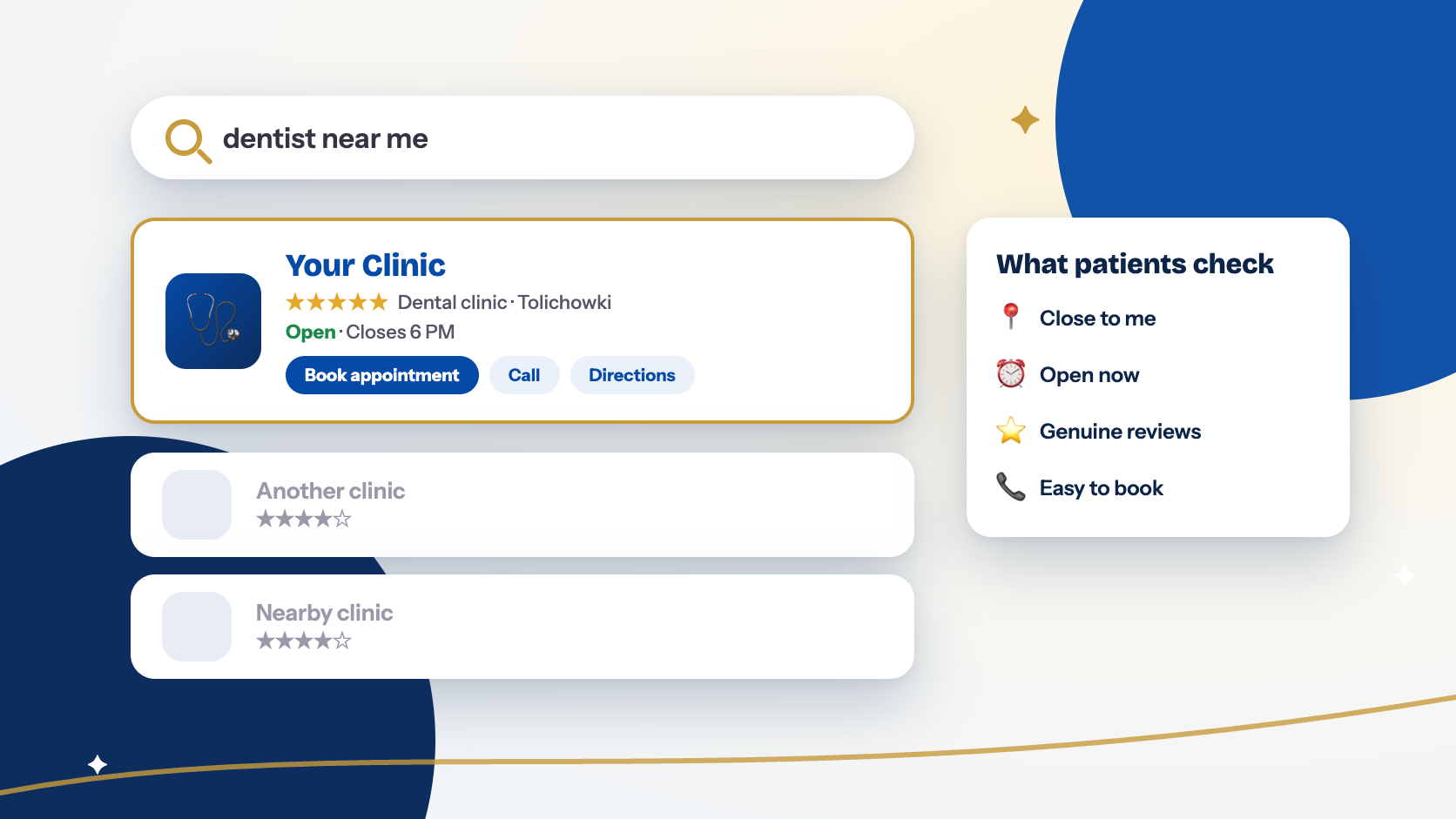
When someone has a toothache, a skin problem or a child with a fever, they rarely browse. They pick up a phone and search for "dentist near me", "skin doctor in Tolichowki" or "paediatrician open now". Google shows a few clinics first, and those clinics receive most of the calls.
Local SEO is simply the work of making your clinic one of those first results, honestly and consistently. Here is a practical way to do it, with extra care for the things that matter to healthcare.
1. Start with your Google Business Profile
This is the single most important step. If you have not set it up properly, begin with our simple guide to getting your business on Google Maps. For clinics, add these details:
- The right category. Choose the one that matches your main practice, such as "Dentist", "Dermatologist" or "Paediatrician", and add secondary categories for other services.
- Accurate hours and holiday timings. Patients often search outside working hours, so make it clear when you are open and when you are closed.
- Phone and WhatsApp number you actually answer, and an appointment link if you take online bookings.
- A services list with a short, plain description of each. Avoid exaggerated claims.
- Real photos of the entrance, the waiting area, the reception and the clinic, so patients can recognise the place and feel at ease. Never post photos that identify a patient without written consent.
2. Make a simple, clear website
Your website supports your profile and helps patients decide to call. Keep it focused:
- One page for each main service. A page about "Teeth cleaning" or "Acne treatment" can appear when someone searches for exactly that, together with your area.
- A short doctor profile. Include qualifications, experience and your registration details as your council requires. Patients and Google both trust real, checkable credentials.
- Clear timings, address and map, with call and WhatsApp buttons that work on a phone.
- Answers to common questions. What to expect at a first visit, how to book, what to bring, and whether you accept appointments or walk-ins.
- Fast and mobile friendly. Most patients search on their phone. See our guide on what a simple one-page website should include for the basics.
3. Keep your details identical everywhere
Your clinic name, address and phone number should match across your website, Google profile, Instagram, Facebook and any directories. Small differences, such as "Clinic" in one place and "Dental Clinic" in another, can confuse both Google and patients.
4. Handle reviews carefully
Reviews help patients trust you and they influence local ranking. But healthcare has extra rules:
- Ask politely, never pay or pressure. A friendly message after a visit works well: "If you were happy with your visit, we would be grateful for a short review."
- Reply to every review, but protect privacy. Do not confirm that someone was a patient or mention any treatment, even if they have shared details themselves. Keep replies short and general, and invite them to contact the clinic directly.
- Stay calm with negative reviews. A polite, non-defensive reply shows future patients how you treat people.
5. Write helpful content patients can trust
Short, useful articles can bring in patients who are researching before they book. Examples are "When should a child first see a dentist?" or "What to expect at a skin check-up". Write in plain language, make it accurate and encourage readers to consult a doctor for their own situation. Do not give personal medical advice online.
6. Follow advertising rules
Medical councils and laws in India limit how doctors and clinics can advertise. Avoid claims that promise cures or guaranteed results, avoid misleading before and after promotion, and be careful with patient testimonials. Check the current rules from your medical council, and keep your website and profile factual and professional.
7. Track what matters
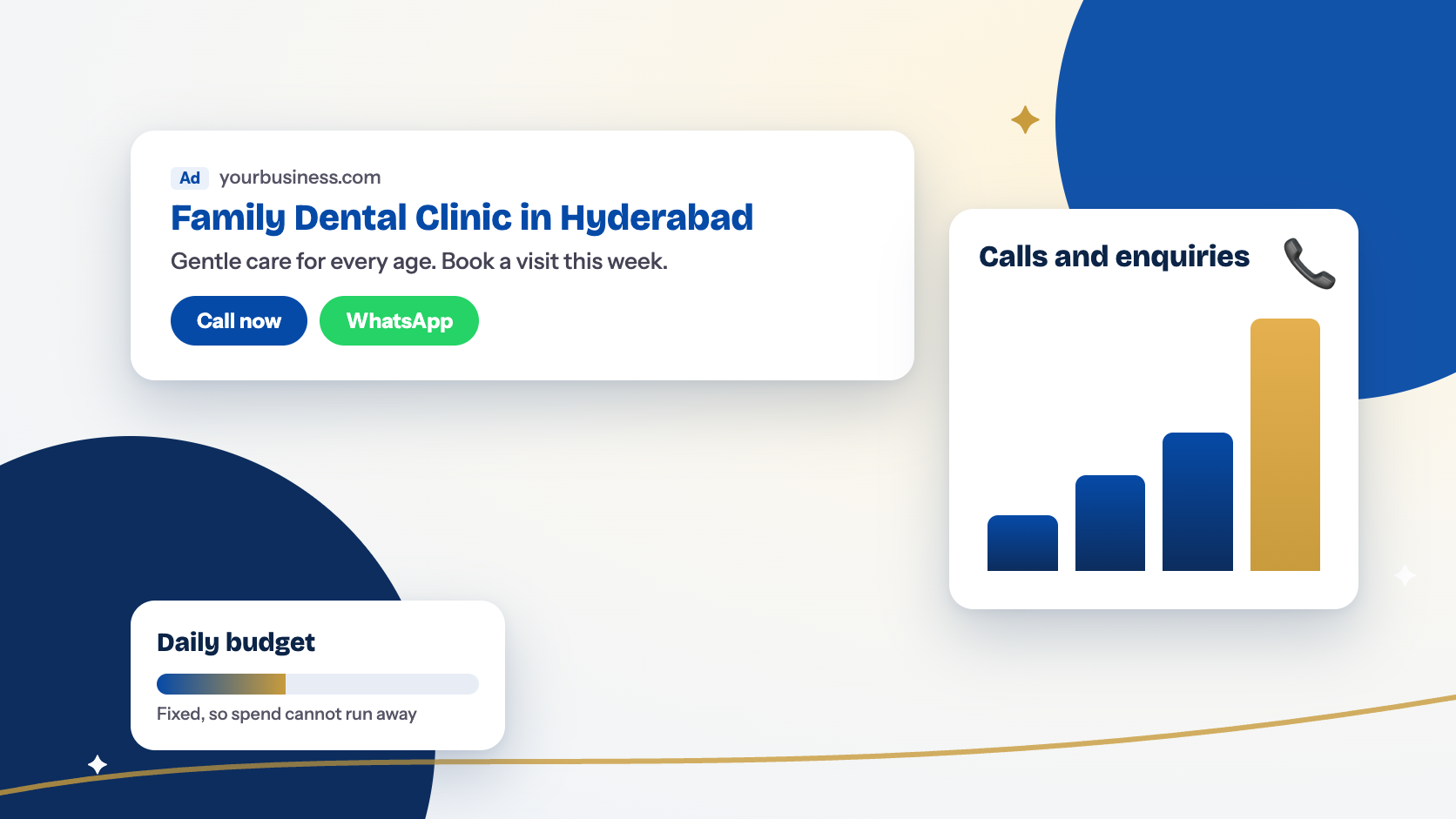
Each month, look at the number of calls, direction requests, website visits and appointment bookings. These are better signs of progress than how many followers you have. If you advertise, make sure you can track calls and messages so you know what is working. See our guide to starting with Google Ads on a small budget.
Mistakes to avoid
- An incomplete profile with missing hours or services.
- Wrong timings after festivals or holidays.
- Posting patient photos or details without written consent.
- Replying to reviews in a way that reveals health information.
- Making claims about results or cures.
- Expecting rankings to change in days.
Need a hand?
Schoofa Aura helps clinics and small businesses set up their Google Business Profile, build simple websites and improve their local search presence, while keeping everything factual and professional. Contact us for a free quote or call +91 92812 78530.
Frequently Asked Questions
Q1.How long does local SEO take to work for a clinic?
Setting up your profile and website can be done in a few weeks. Ranking improvements usually build gradually over a few months, and nobody can promise a specific position. Steady updates and genuine reviews make the biggest difference over time.
Q2.Can I reply to patient reviews on Google?
Yes, and you should, but keep it general. Do not confirm that the person is a patient or mention any treatment or health details, because that can breach their privacy. A polite, short thank-you is enough, and you can invite them to contact the clinic directly for any concerns.
Q3.Are there rules about how clinics can advertise?
Yes. Medical councils and laws in India limit how doctors and clinics can advertise, for example around claims, guarantees and testimonials. Check the current rules from your medical council and keep your website and profile factual. If you are unsure, ask your council or a legal adviser.
Anjum Farhana is an Educationist, School Growth Consultant and Digital Marketing Strategist with over 20 years of experience in education and school leadership. She helps educational institutions and businesses strengthen their online presence through website development, SEO, Google Ads, Meta Ads, social media marketing, branding and business growth strategies.